computer
book
grass

5,000+ Happy Customers

Regaining Your
Quality of Life

tVNS® – currently the only non-invasive vagus nerve stimulation device approved under the European Medical Device Regulation. Experience an evidence-based, transcutaneous, and mobile therapy option for neurological and psychiatric patients.

computer
book
grass

5,000+ Happy Customers

Trusted by Leading Institutions Worldwide

Trusted by

Introducing tVNS®

Pioneering the Future of Neuromodulation

With its non-invasive approach, patient-friendly treatments, and minimal side effects, tVNS® offers a new horizon of hope and relief for those living with neurological conditions. Embrace a future where each day holds the promise of greater comfort and enhanced quality of life.

Unmatched research and development

Certified for Four Areas of Application

The tVNS® E is currently the only transcutaneous vagus nerve stimulation device approved in Europe according to the new Medical Device Regulation (MDR EU 2017/745). The tVNS® E is explicitly approved for the following indications:

Transcutaneous Vagus Nerve Stimulation (tVNS) for Treatment of Drug-Resistant Epilepsy: A Randomized, Double-Blind Clinical Trial (cMPsE02)

Among patients who completed the 20-week trial, the 25-Hz group showed a significant 34.2% reduction in seizures compared with the control group; treatment adherence was high.

Transcutaneous vagal nerve stimulatio (t-VNS): An adjunctive treatment option for refractory epilepsy

Those who responded to tVNS were able to reduce their seizure frequency by 60% after one year of tVNS treatment.

Transcutaneous vagus nerve stimulation (t-VNS) in pharmacoresistant epilepsies: A proof of concept trial

tVNS can reduce the frequency of epileptic seizures when used as an adjunctive treatment.

Transcutaneous Vagus Nerve Stimulation (t-VNS) and epilepsy: A systematic review of the literature

Ten studies involving 350 participants reported average reductions in seizure frequency of 30–65%. Some studies found improvements in quality of life and seizure severity.

Transcutaneous vagus nerve stimulation in the treatment of drug-resistant epilepsy

Five prospective studies involving 118 patients with drug-resistant epilepsy and three randomised controlled trials involving 280 patients with drug-resistant epilepsy showed that tVNS can reduce seizure frequency by up to 64 per cent. In 65% of participants, seizure frequency improved by more than 50%.

Transcutaneous Vagal Nerve Stimulation in Treatment-Resistant Depression: A Feasibility Study

The severity of depression decreased to a statistically significant extent. 80% achieved the predefined treatment goals.

Effects of acute transcutaneous vagus nerve stimulation on emotion recognition in adolescent depression

Acute tVNS could have a beneficial effect on the processing of negative emotional stimuli in adolescents with depression.

Transcutaneous Auricular Vagus Nerve Stimulation in Adolescent Treatment Resistant Depression—A Case Report

tVNS was well tolerated in the treatment of depression in an adolescent patient and was associated with a clinically significant improvement in depression.

Efficacy of transcutaneous vagus nerve stimulation as treatment for depression: A systematic review

After two weeks of using tVNS, an improvement in self-reported symptoms was observed, and after four weeks, improvements were noted in both self-reported and clinician-assessed symptoms.

Treatment of chronic migraine with transcutaneous stimulation of the auricular branch of the vagal nerve (auricular t-VNS): a randomized, monocentric clinical trial

A 1 Hz tVNS reduced the number of headache days per month by 7, compared with a reduction of 3.3 days achieved with 25 Hz stimulation. 29.4% (1 Hz) versus 13.6% (25 Hz) achieved at least a 50% reduction in the number of headache days.

Noninvasive vagus nerve stimulation for migraine: a systematic review and meta-analysis of randomized controlled trials

Low-frequency tVNS can reduce the number of migraine days and the severity of pain in migraine sufferers.

Transcutaneous vagus nerve stimulation (t-VNS): A novel effective treatment for temper outbursts in adults with Prader-Willi Syndrome indicated by results from a non-blind study

Among the study participants, a statistically significant reduction in the frequency and severity of outbursts of anger was observed after approximately nine months of daily four-hour tVNS treatment. A reduction in the daily treatment duration during the second part of the study resulted in a return to baseline levels.Among the study participants, a statistically significant reduction in the frequency and severity of outbursts of anger was observed after approximately nine months of daily four-hour tVNS treatment. A reduction in the daily treatment duration during the second part of the study resulted in a return to baseline levels.

Effects of long-term transcutaneous auricular vagus nerve stimulation on circadian vagal activity in people with Prader-Willi Syndrome: A case-series

tVNS could stabilise the autonomic balance in Prader-Willi syndrome and thereby reduce emotional outbursts.

Buy Now or Speak with our Expert Team Today

Voices of Healing

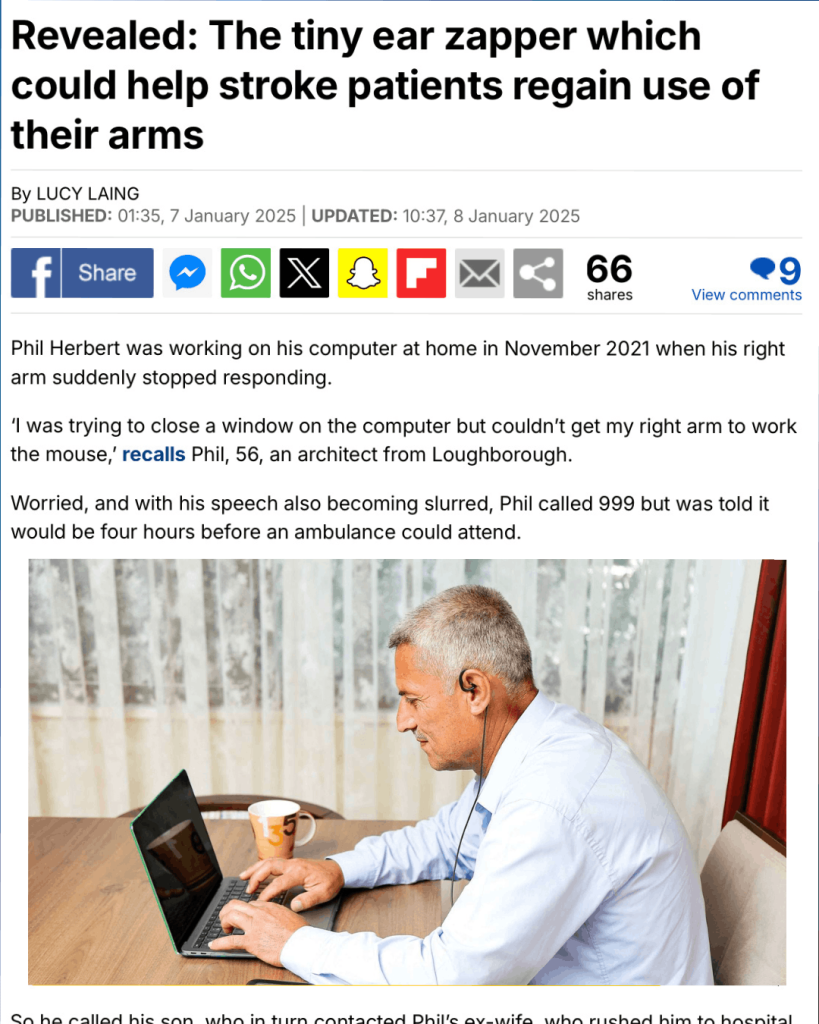
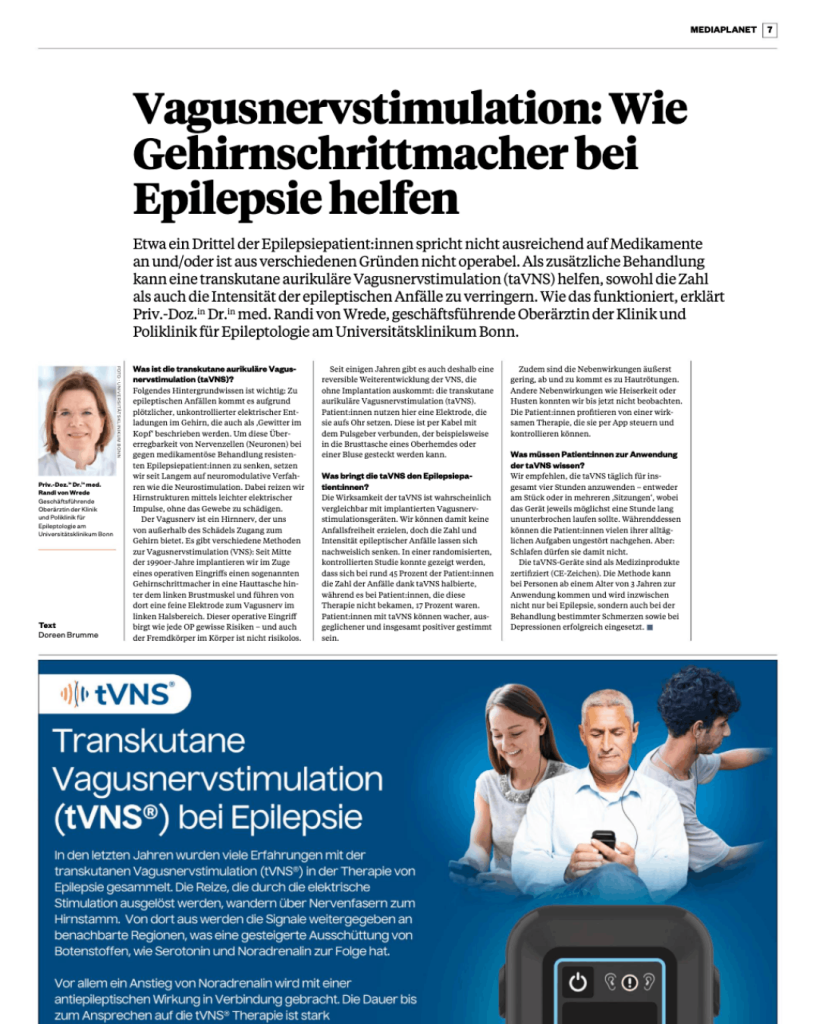
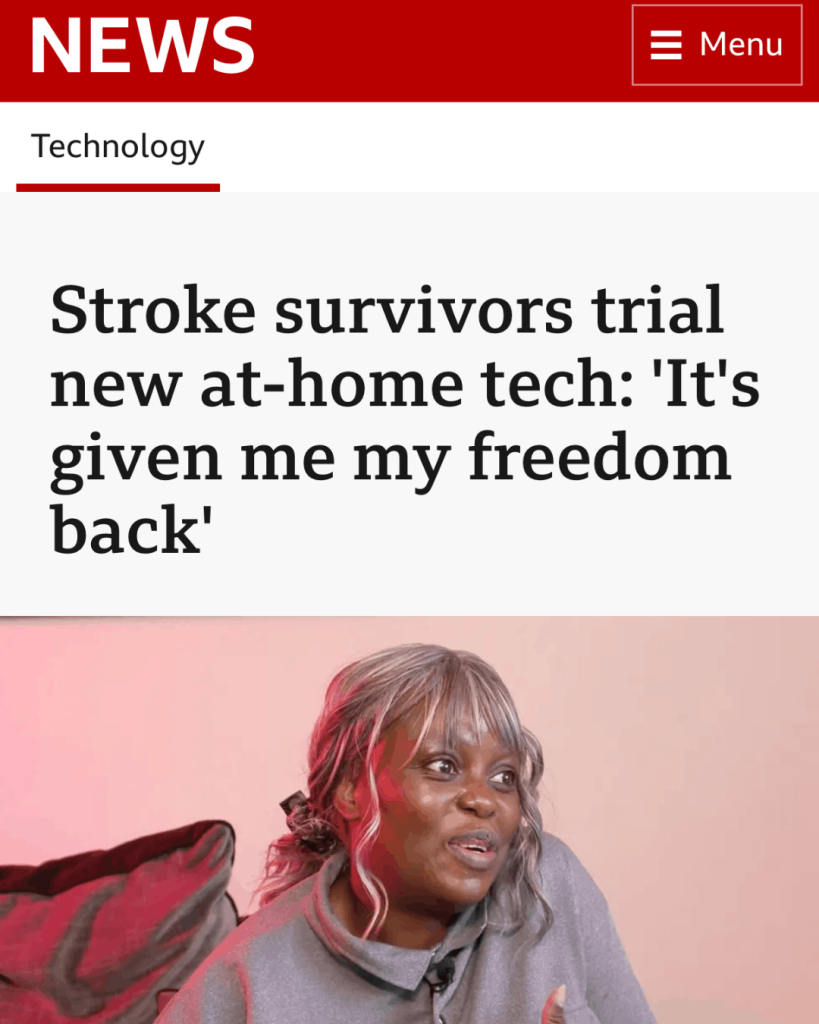
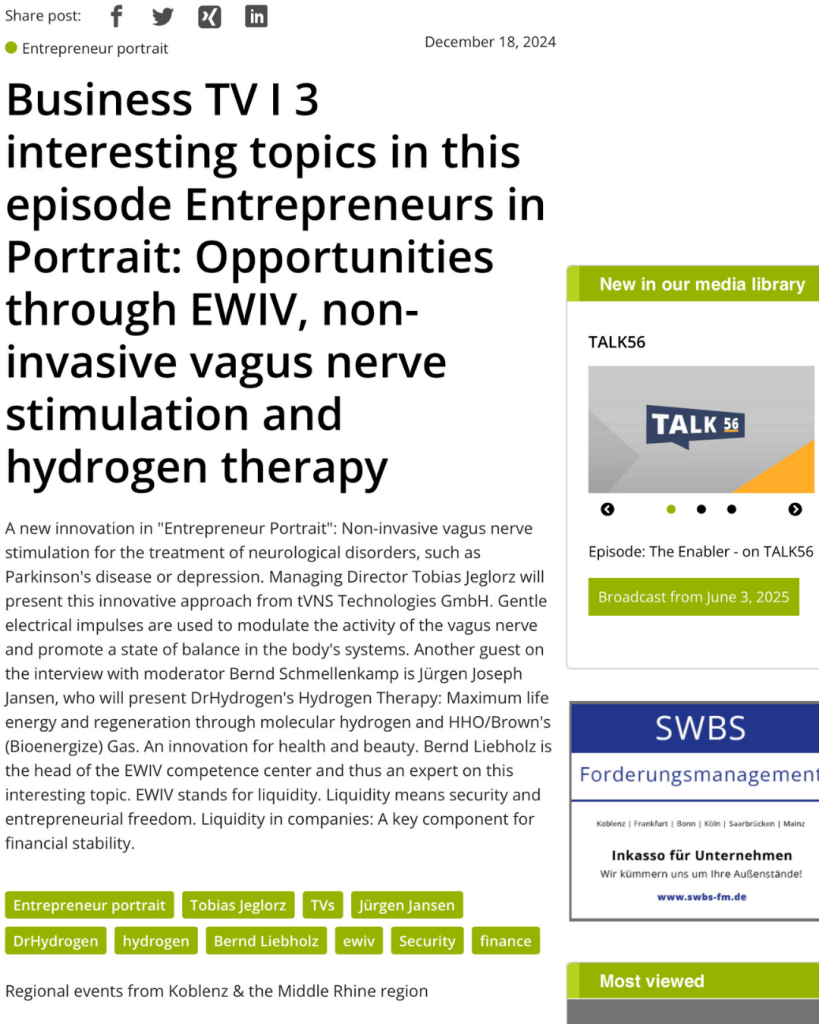
tVNS® in the media

tVNS® has already been featured in numerous renowned national and international health, science, and innovation media outlets for its evidence-based approach to non-invasive vagus nerve stimulation. The coverage underscores the growing medical and scientific interest in transcutaneous vagus nerve stimulation and the importance of clinically sound technology certified under the European Medical Device Regulation (MDR) in modern neuromodulation.

Click the publications logo that you would like to see, or scroll below and click on the article you would like to read. 

Hear Healthcare Professionals Speak About tVNS

Trending

Depression and epilepsy: How vagus nerve stimulation helps

For people with Chronic Fatigue Syndrome (ME/CFS), there are currently only a few approved therapies. However, research is increasingly focusing on a non-invasive method: transcutaneous vagus nerve stimulation (tVNS®). In this video, I explain as a neurologist how this stimulation via the ear works and why it has a direct influence on inflammation and the […]
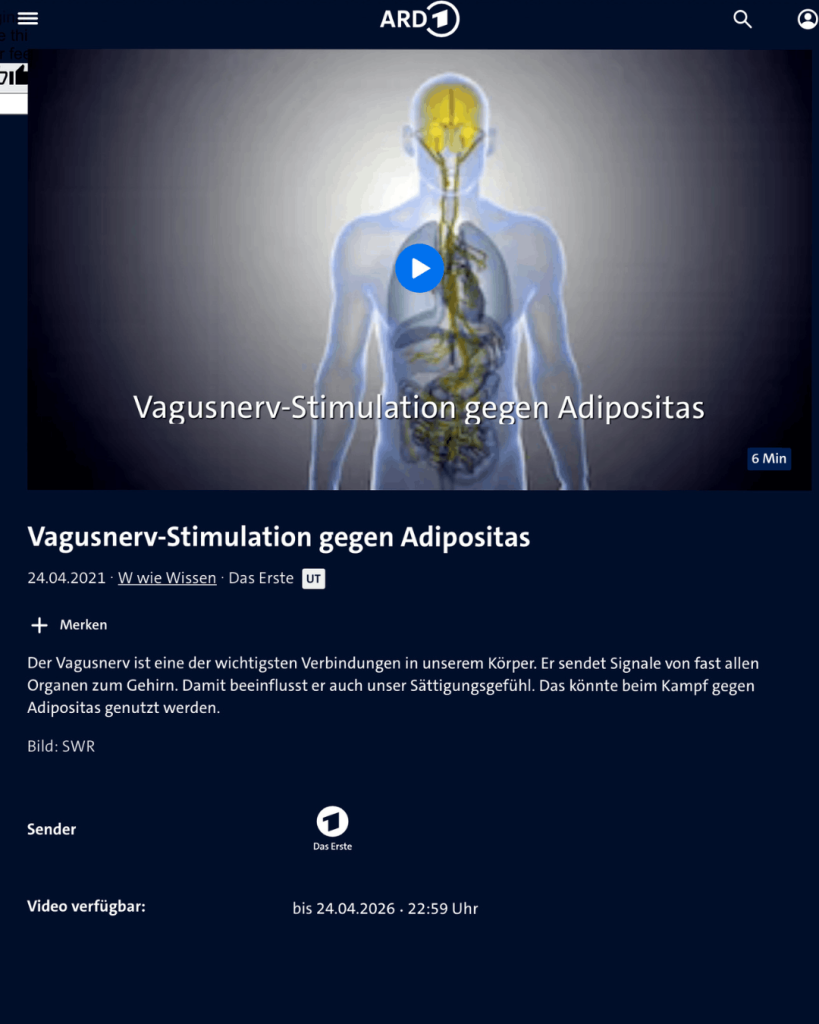
Voices of Healing

Real Stories from our tVNS® Patients

Worldwide, more and more patients, researchers, and physicians are having positive experiences with tVNS®. These insights help us continuously improve tVNS® therapy and apply it in a targeted way.

We are proud to help people worldwide

Buy Now or Speak with our Expert Team Today

Patient First Care

What is tVNS® and Why We Lead in Vagus Nerve Stimulation

Navigating treatment options can be overwhelming, especially when conventional therapies fall short. tVNS® offers a non-invasive approach by gently stimulating the vagus nerve through the ear, supporting balance within the nervous system without surgery or medication-related side effects. Approved as a Class IIa medical device under the EU-MDR, it combines safety, simplicity, and scientific rigor.
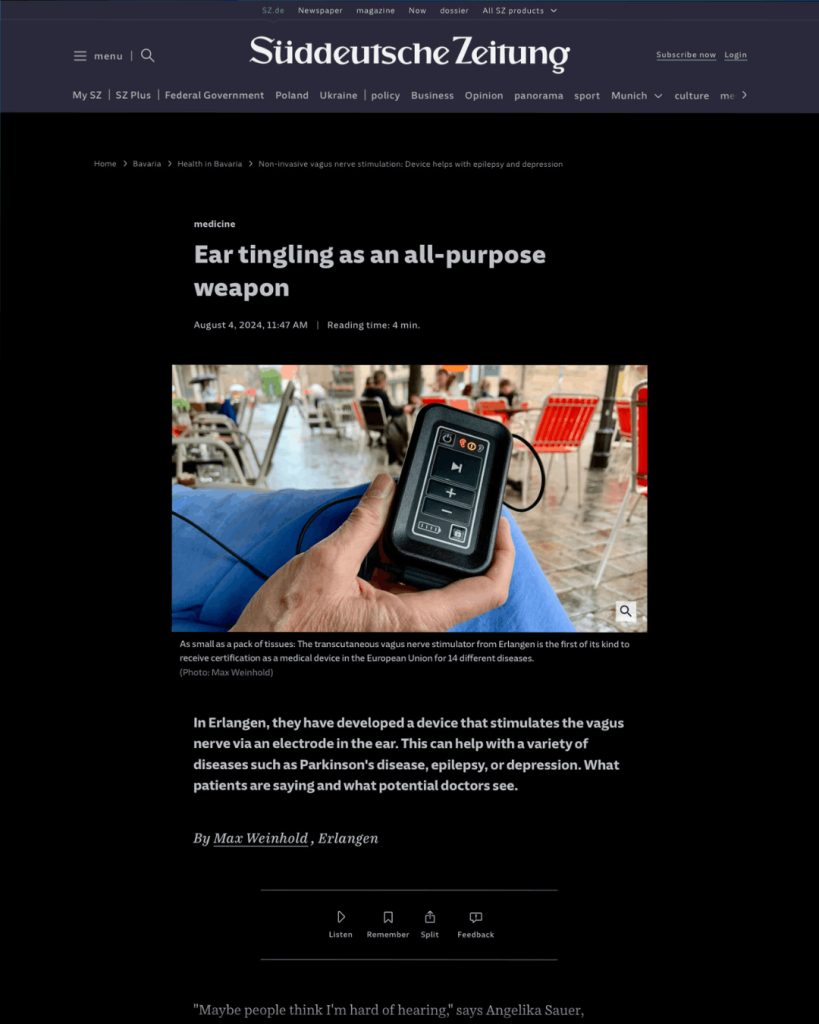
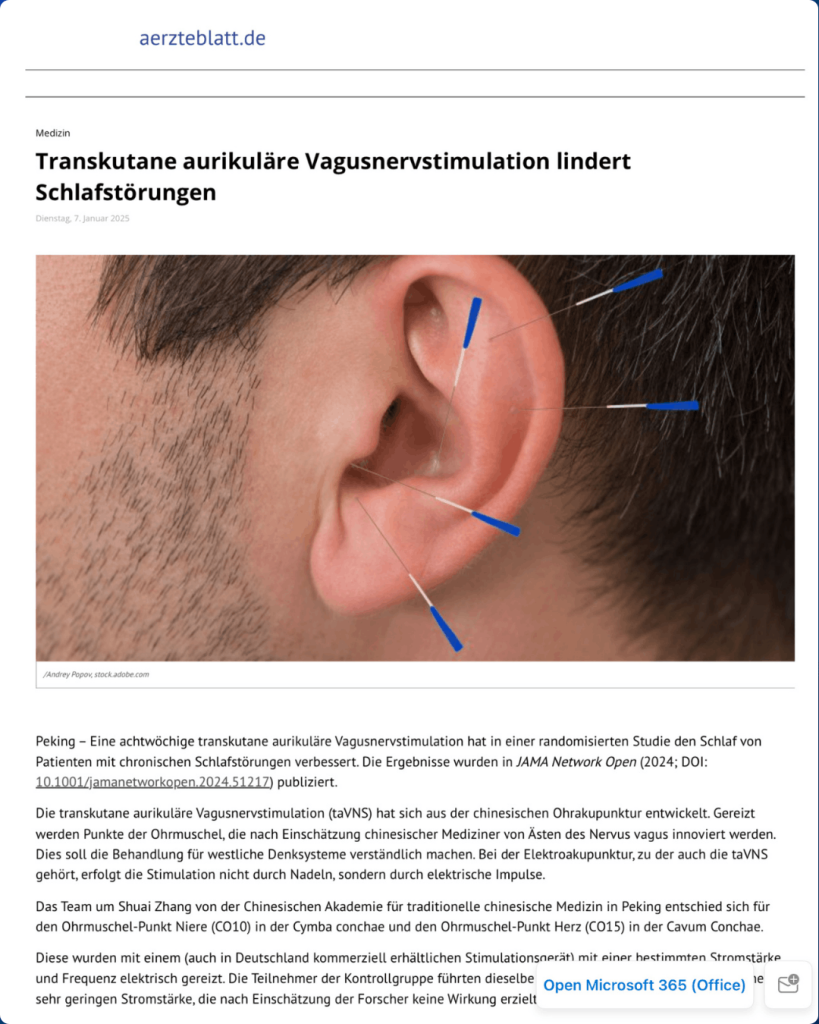
With over 20 years of experience, we are pioneers in non-invasive vagus nerve stimulation. Backed by robust clinical research and developed and manufactured in Germany, our devices are trusted worldwide by clinicians and researchers for their precision, reliability, and high quality standards.

What Makes Our Device Special?

  • Only Certified Non-Invasive Vagus Nerve Stimulation Device
  • Safety Class: Same Safety Class as Hearing Aids 
  • Most Effective Stimulation Site: Cymba Conchae
  • Electrode: High Quality, Non-Allergenic Titanium-Iridium
  • Stimulation Pattern: 28s Active Stimulation / 32s Pause
  • World Class Support: Our dedicated team is here to help

Our tVNS® device is the only non-invasive VNS device that is approved as a medical device under the EU-MDR.

20+ Years

of experience pioneering the non-invasive vagus nerve stimulation.

100% Innervation

of the vagus nerve is achieved via stimulation of the cymba concha.

Made in Germany

of German precision engineering, trusted by researchers and clinicians worldwide.

Use tVNS® anytime, anywhere

How does treatment with tVNS® work?

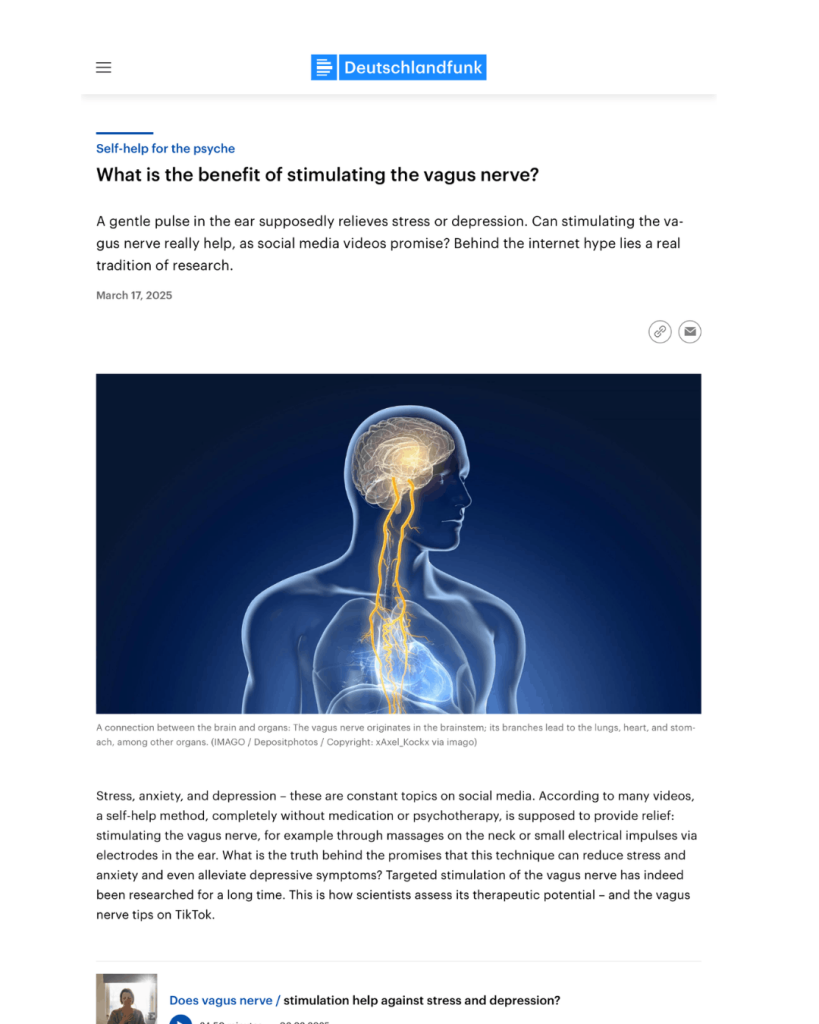
Transcutaneous aricular vagus nerve stimulation with the tVNS® E is a systemic therapy. Here, sensory fibers of the vagus nerve in the Cymba Conchae of the auricle (outer ear) are addressed, which send the signal further to the brainstem and the cerebral cortex. From there, the signal travels back into the body’s trunk to almost all organs.  

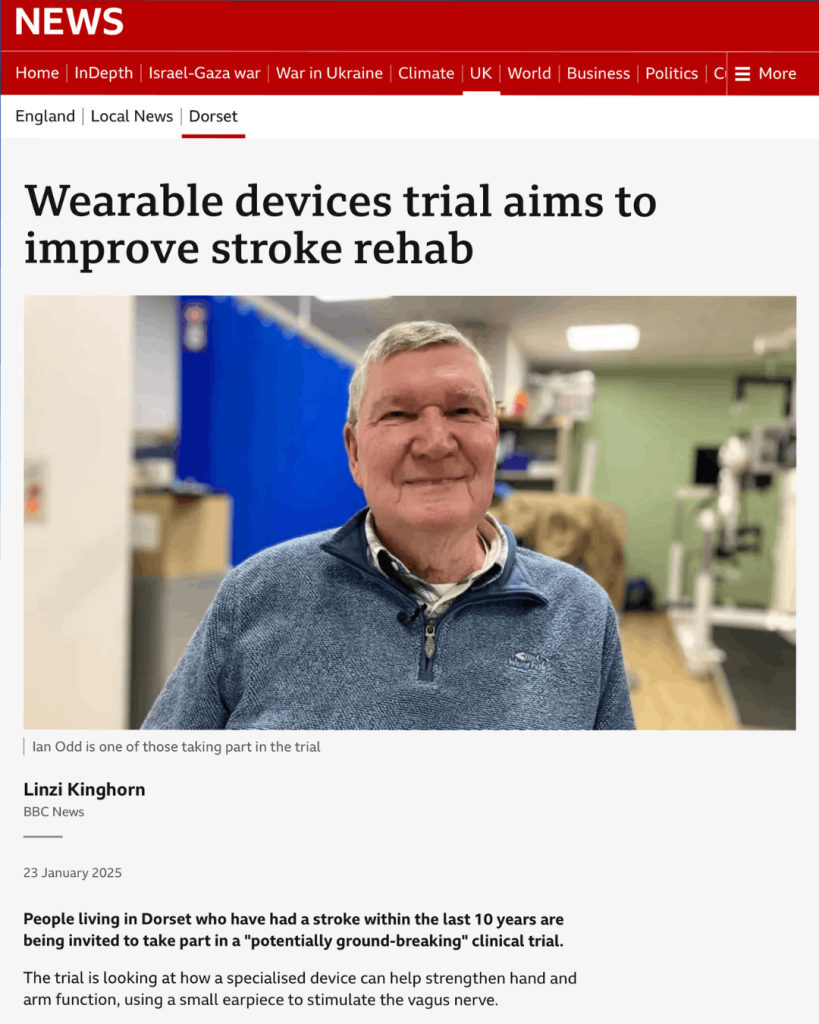
Stimulation of the afferent branches of the vagus nerve in the ear can therefore influence all major organ systems and thus many different diseases and pathophysiologies. Numerous research projects are currently underway worldwide for conditions such as stroke, ME/CFS, Sleep Disorders, Parkinson’s, Chronic Inflammatory Bowel Diseases or Atrial Fibrillation.

How to set-up and begin using the tVNS® E Device

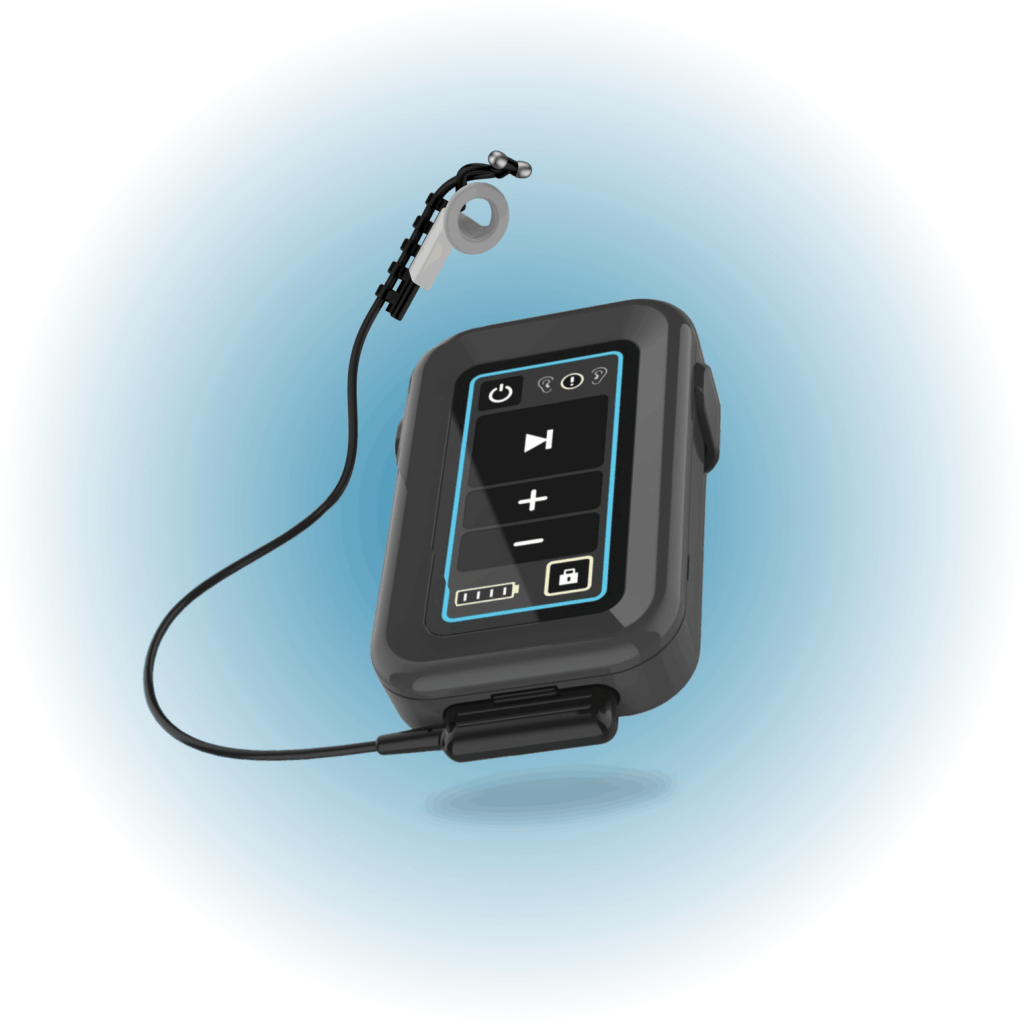
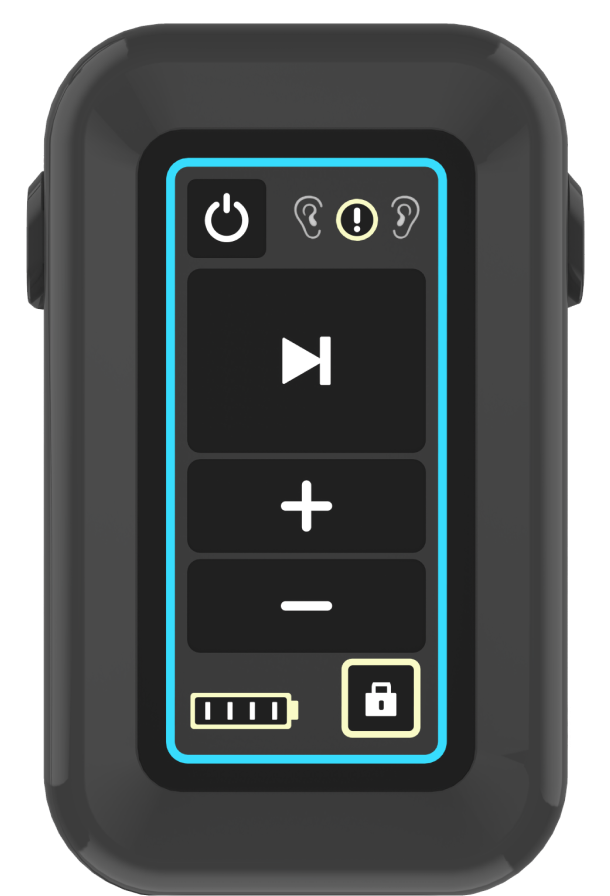
In this unboxing video, we walk you through the tVNS® device step by step, showing exactly what’s included and how to get started. You’ll see how to set up the device, place the electrode correctly, and begin your first session with confidence. Designed to be intuitive and easy to use at home, this guide helps ensure a smooth start and supports safe, comfortable integration of tVNS® into your daily routine.

Buy Now or Speak with our Expert Team Today

Are you a physician, therapist, or other healthcare professional interested in integrating tVNS® E into your healthcare model? Then please email us at joerg@tech.t-vns.com.

We are here to help

Meet your Expert Team of Dedicated Specialists

Contact our tVNS® experts and receive information on individual tVNS® application.